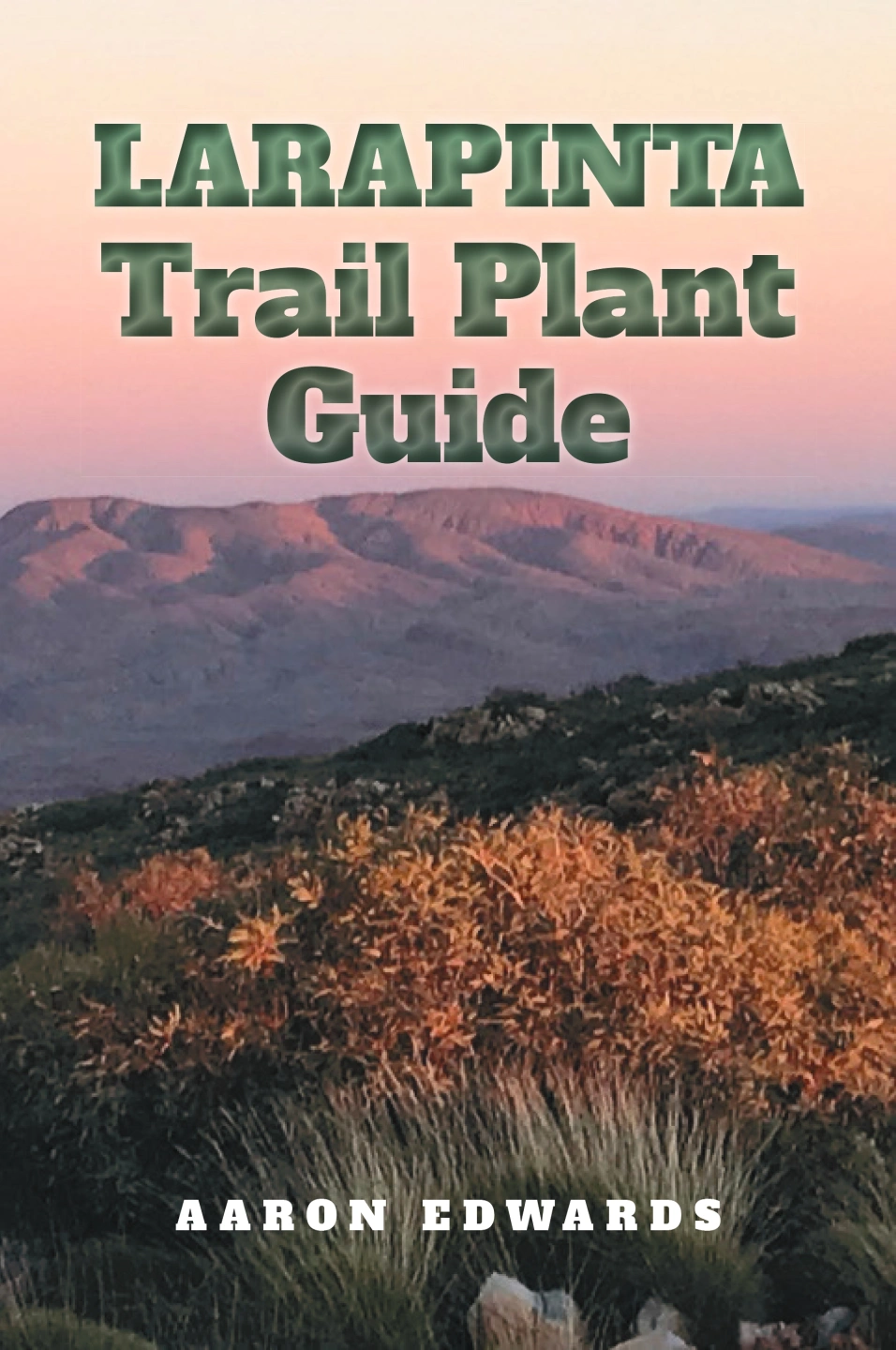
See the Larapinta Trail Differently
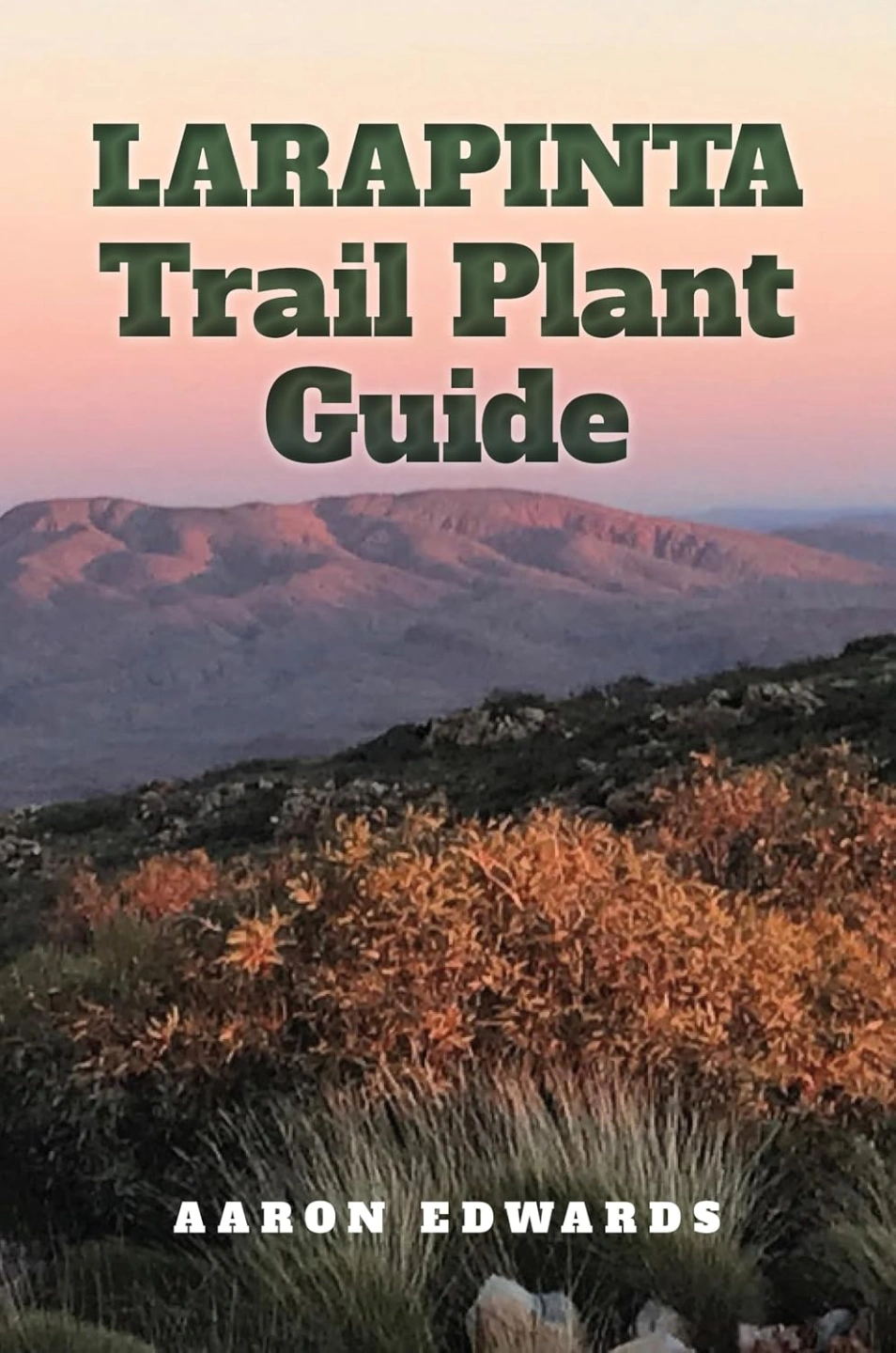
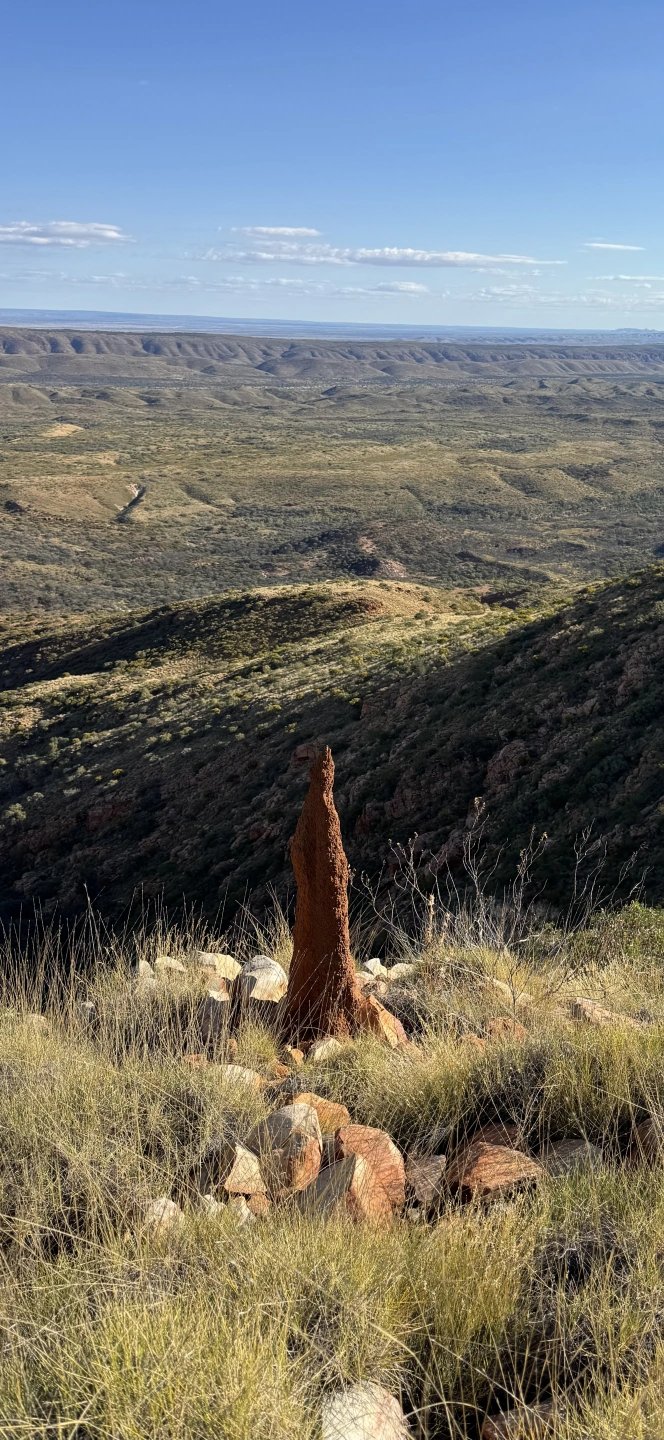
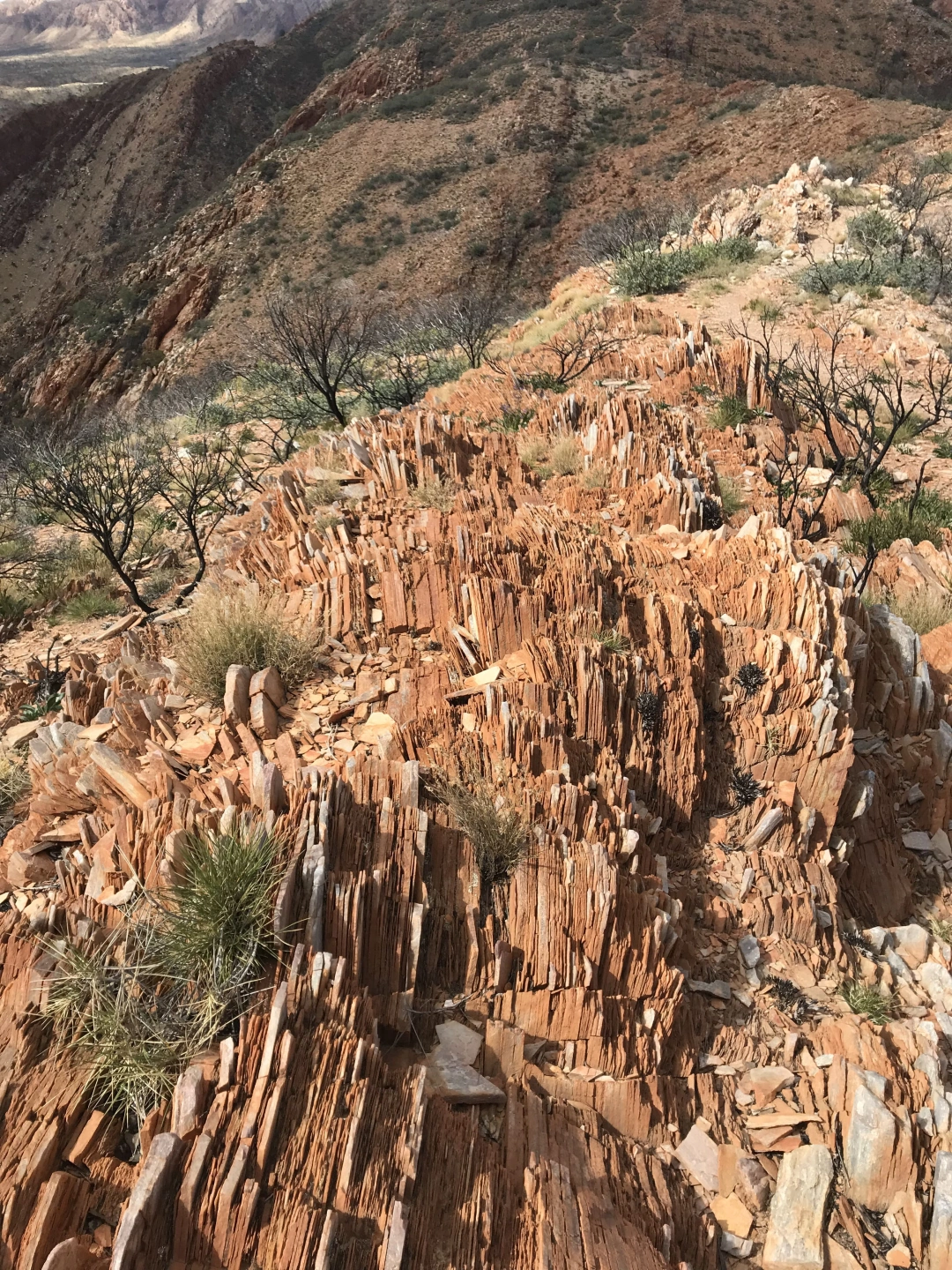
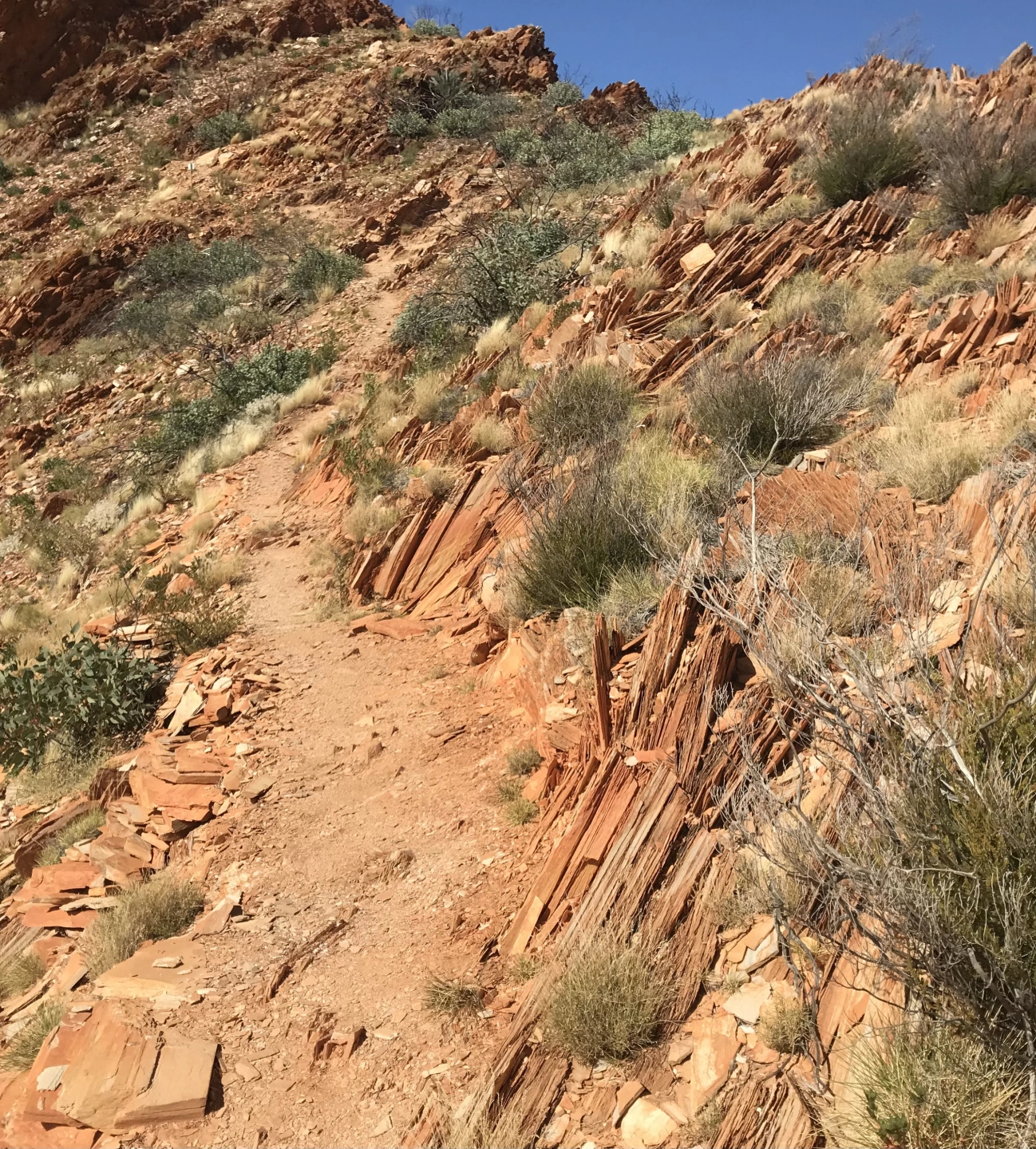
The Larapinta Trail Plant Guide was created to help people look beyond the mountains, ridgelines and vast arid landscapes, and discover the intricate world of plants that makes this place so special.
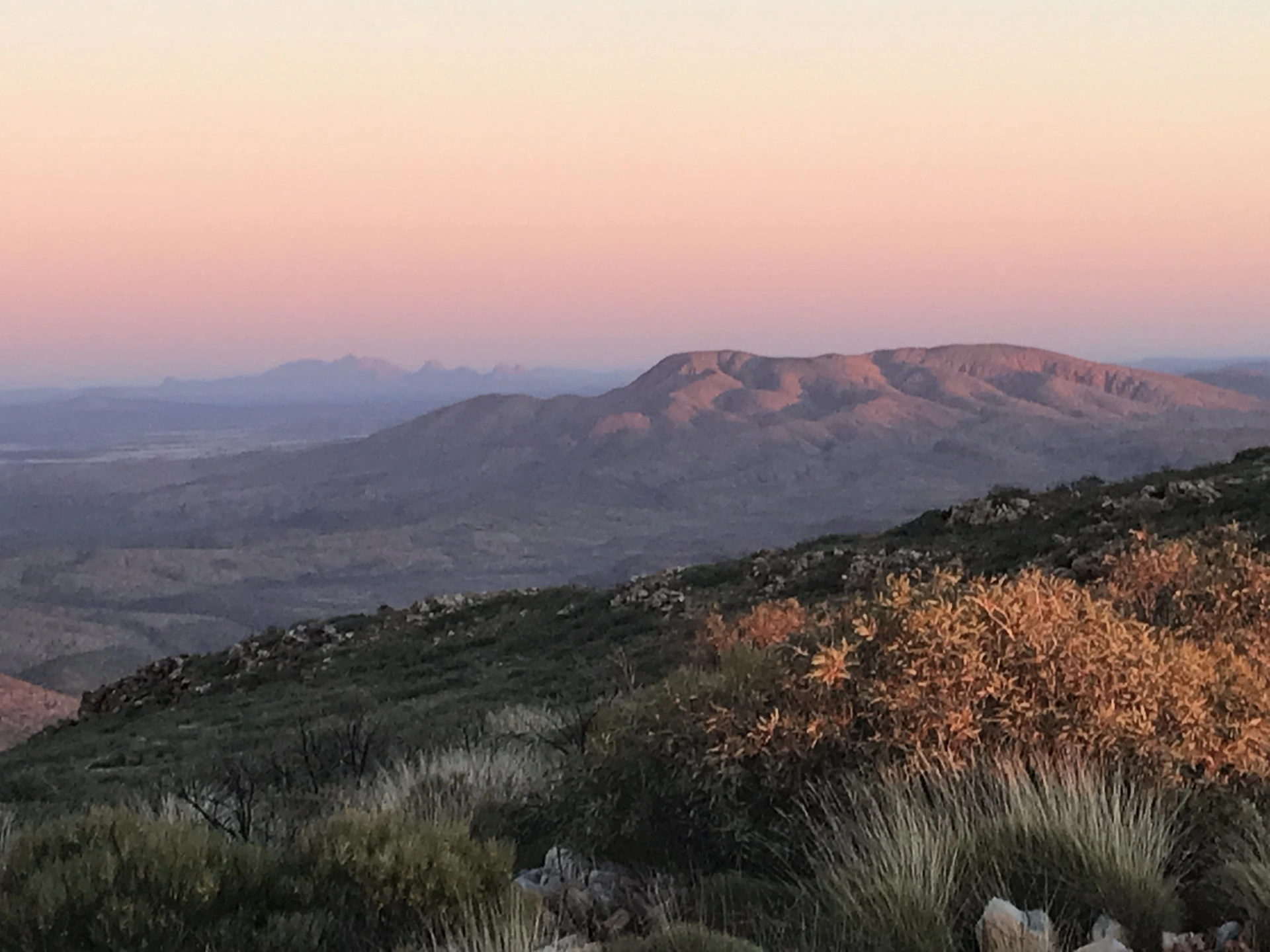
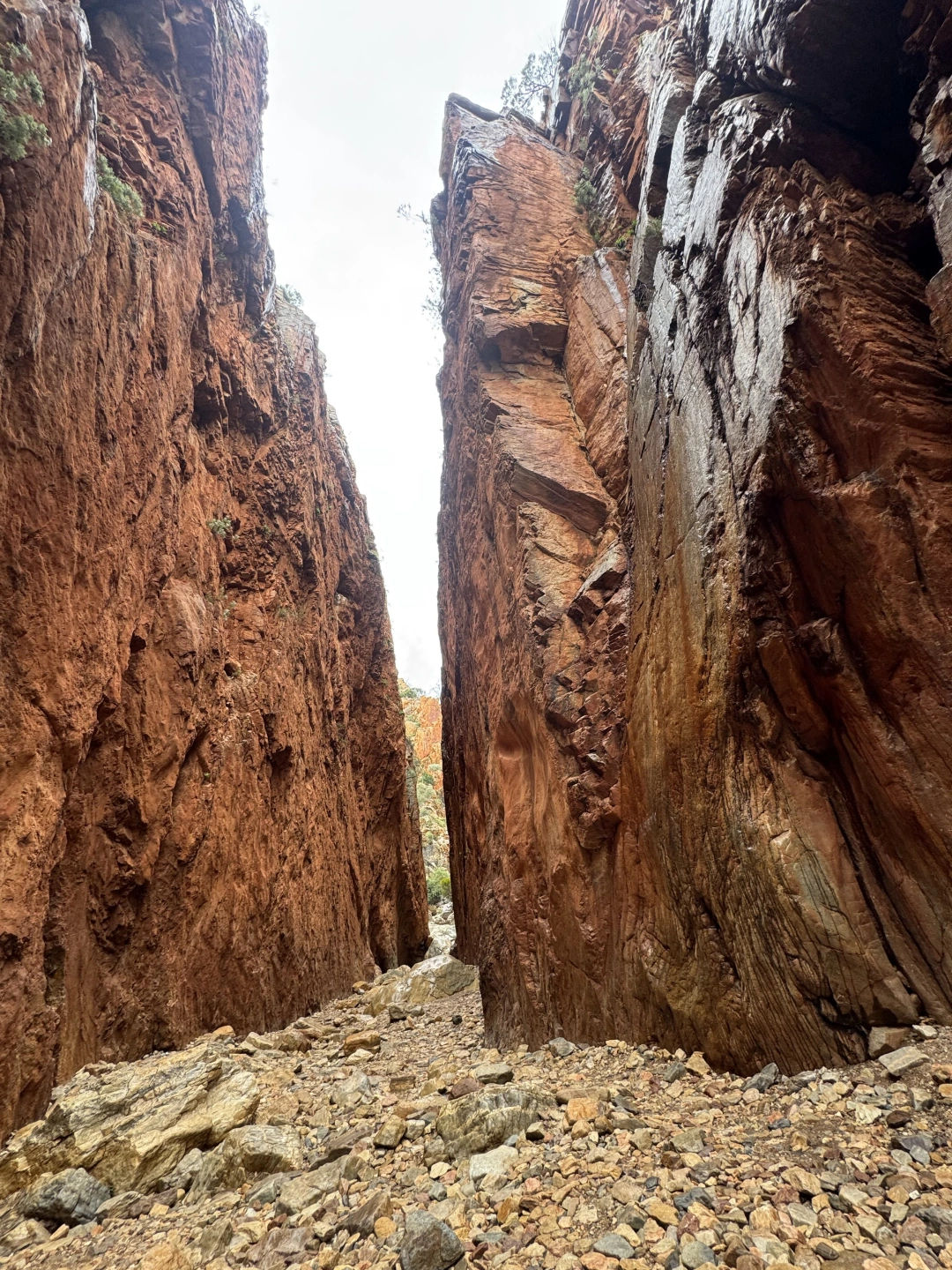
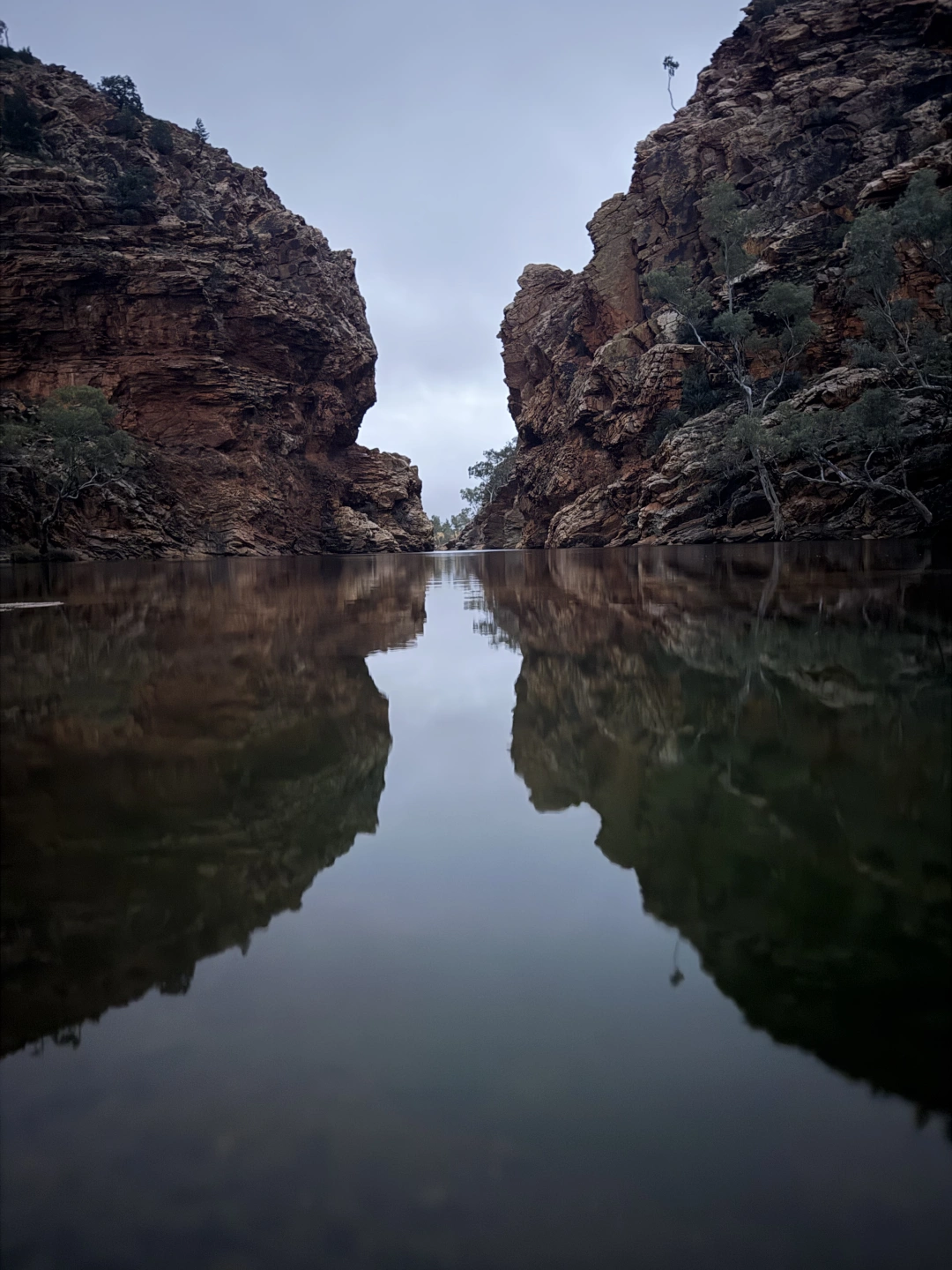
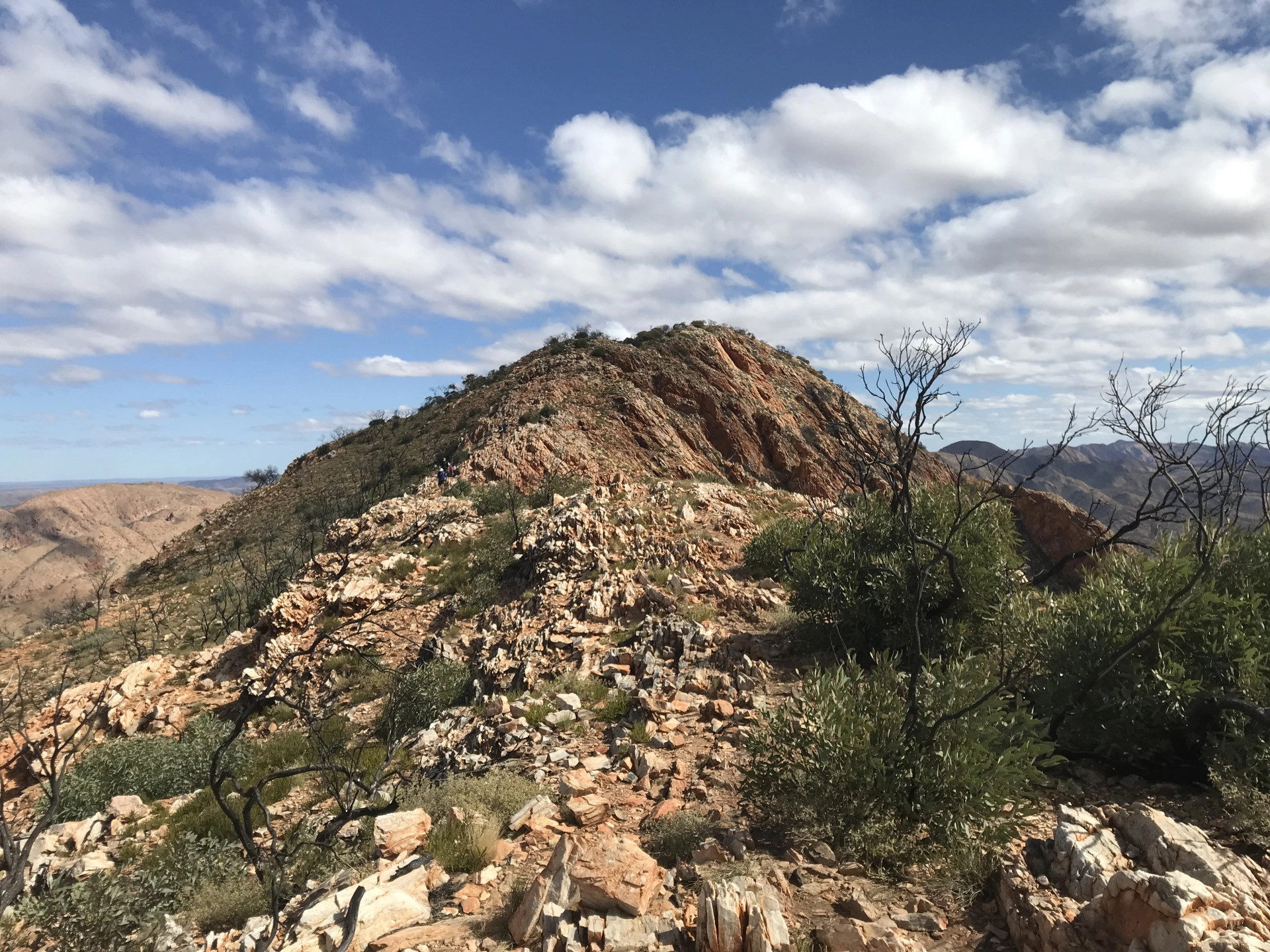
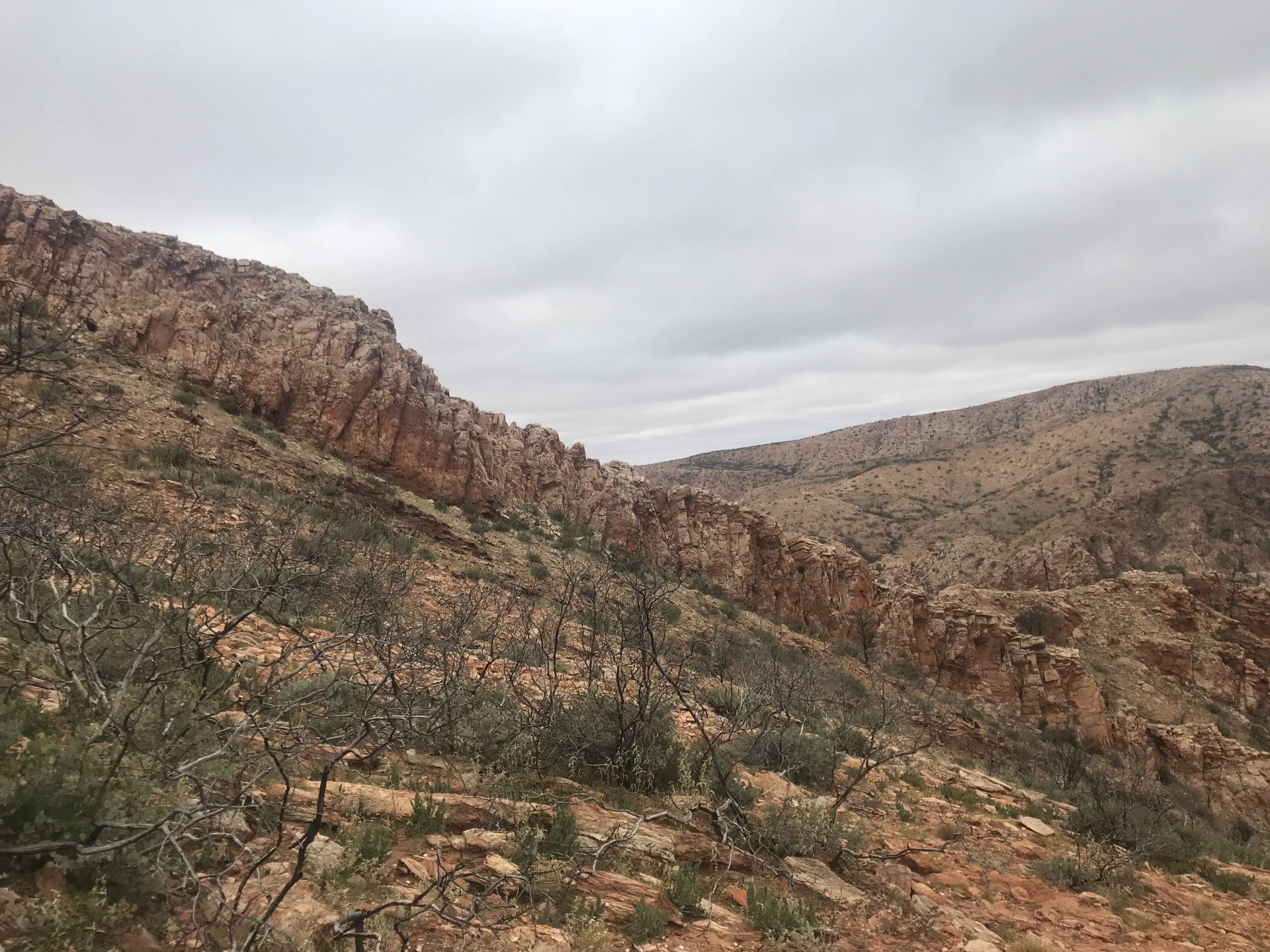
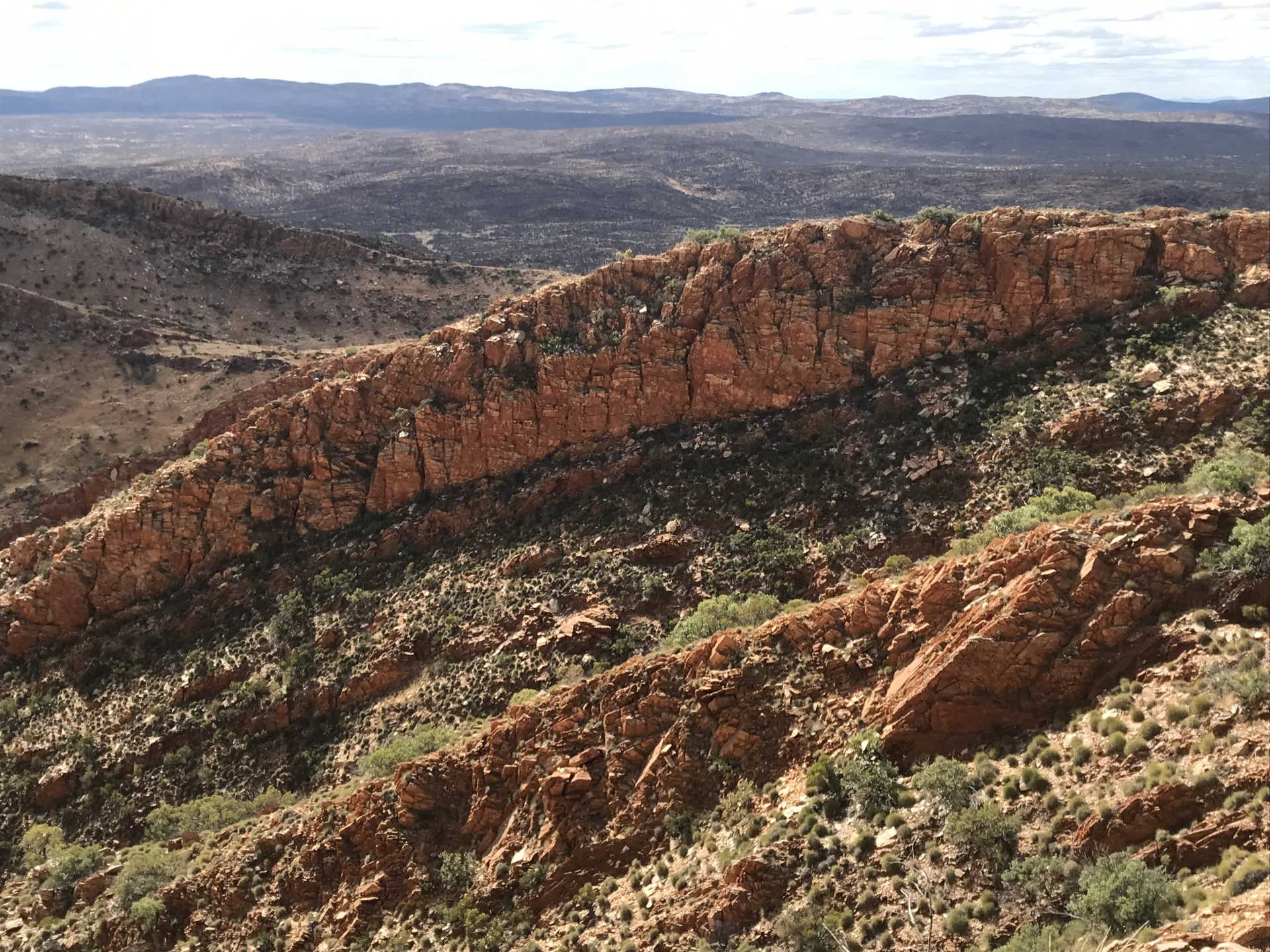
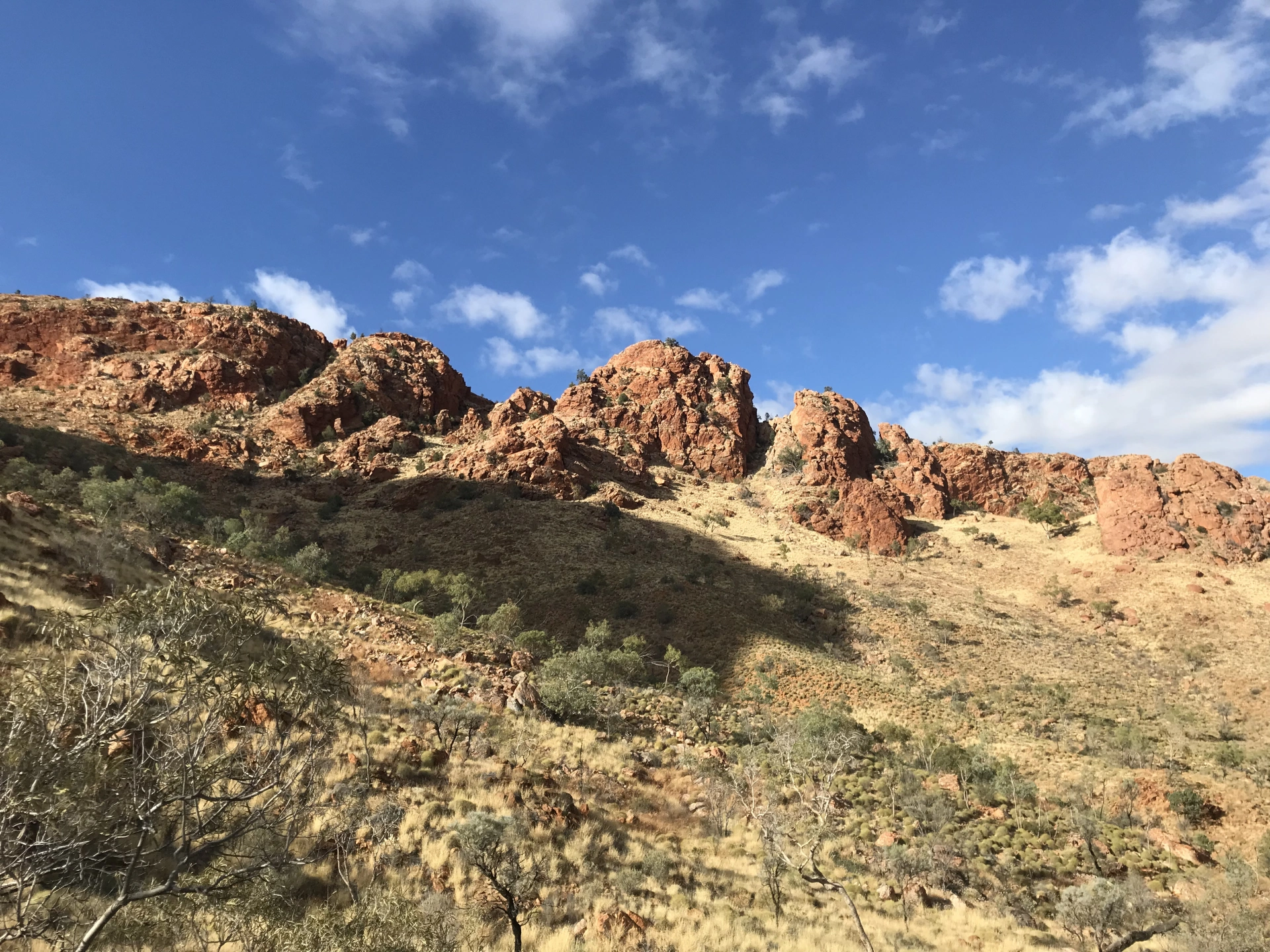
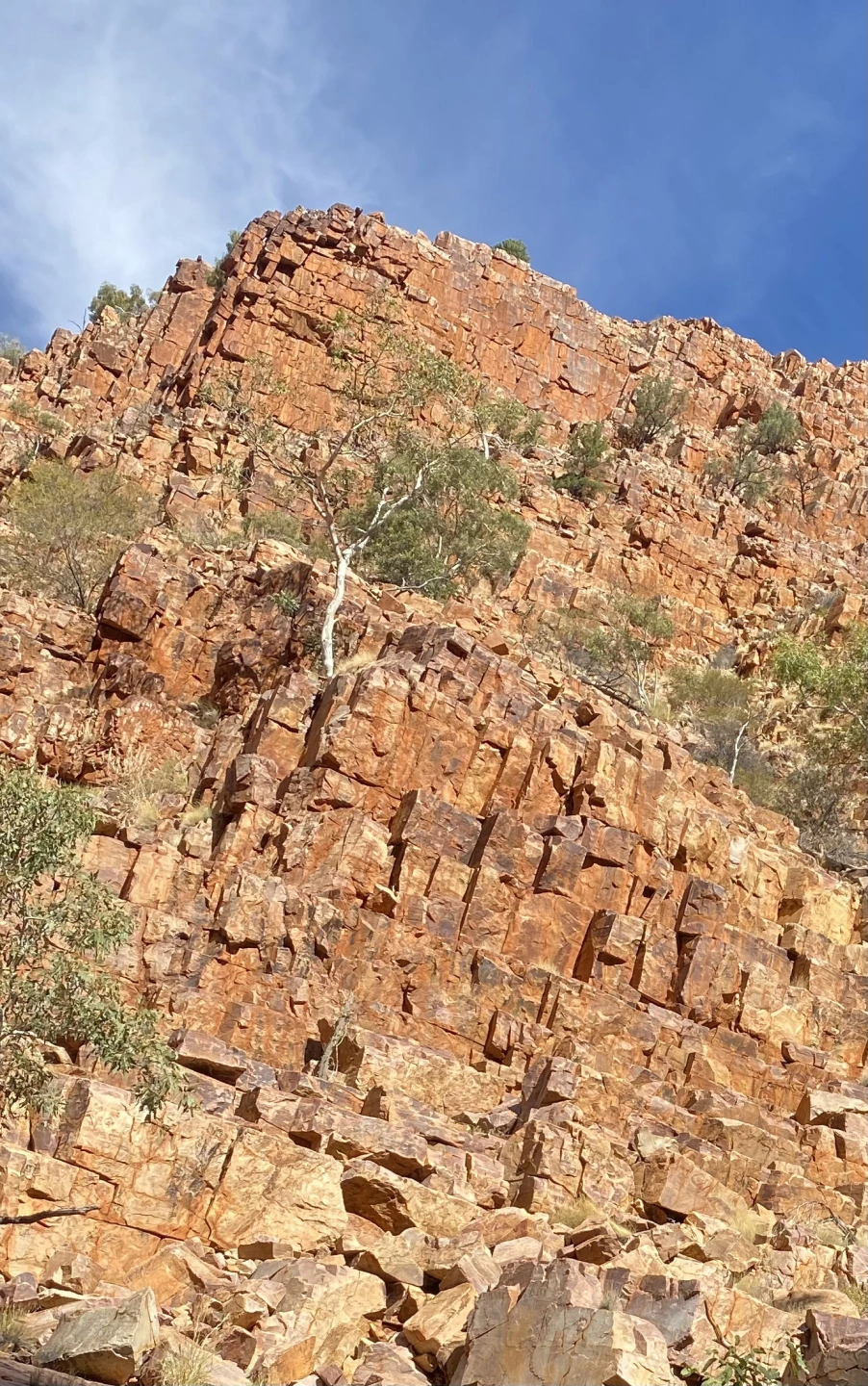
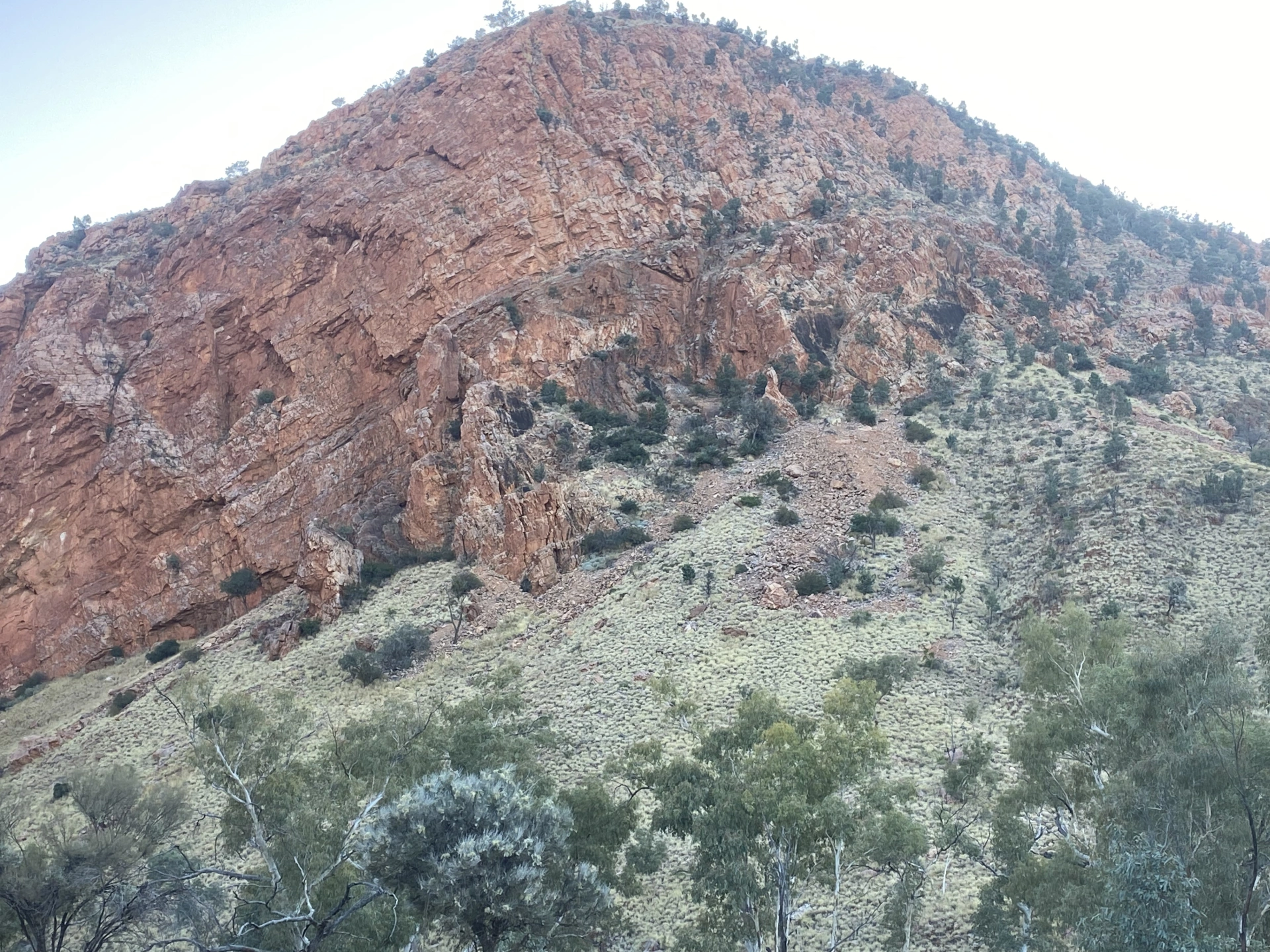
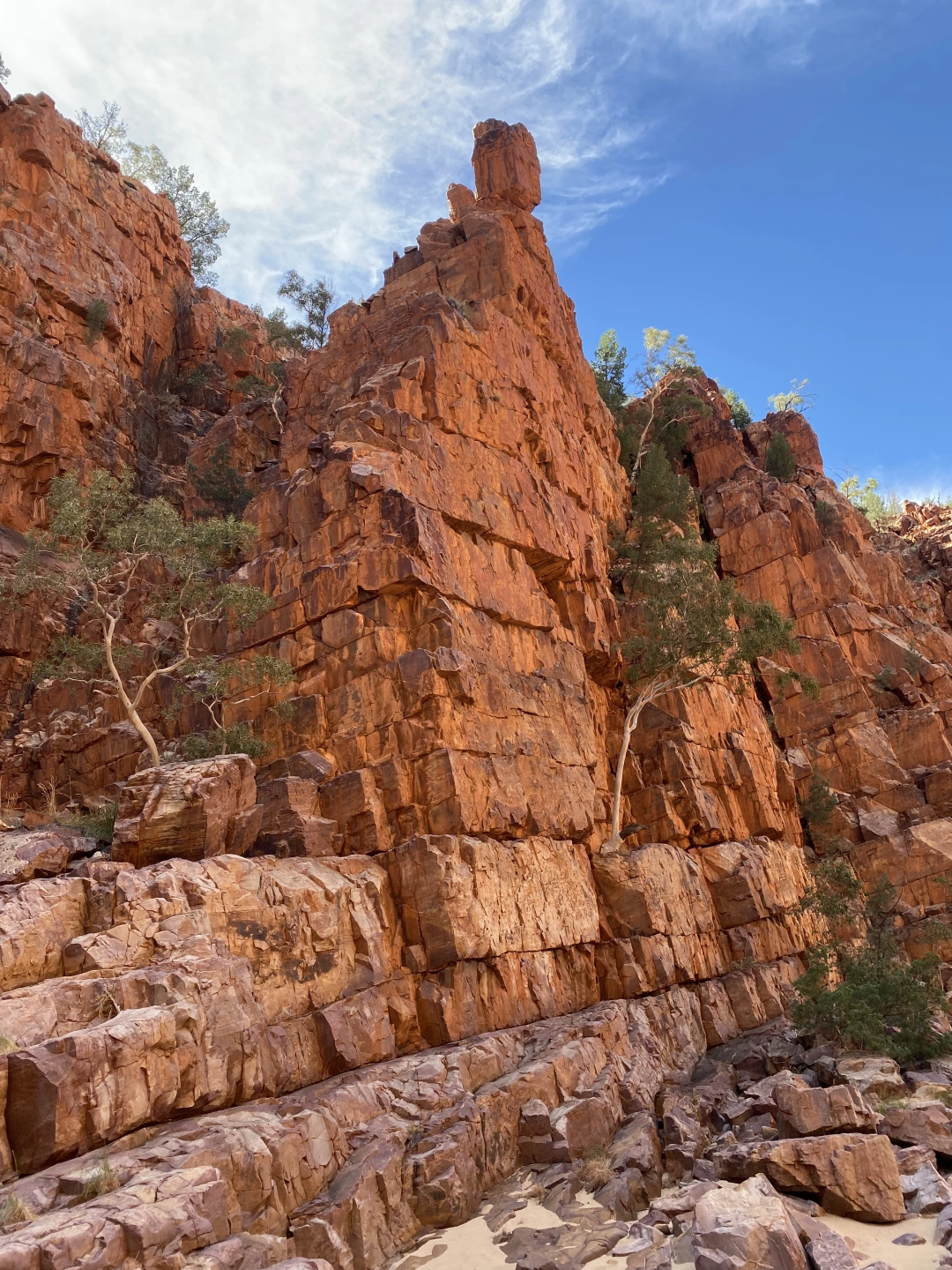
The Larapinta Trail is more than a journey through spectacular landscapes. It is an opportunity to discover the remarkable life that thrives within one of Australia's most unique environments.
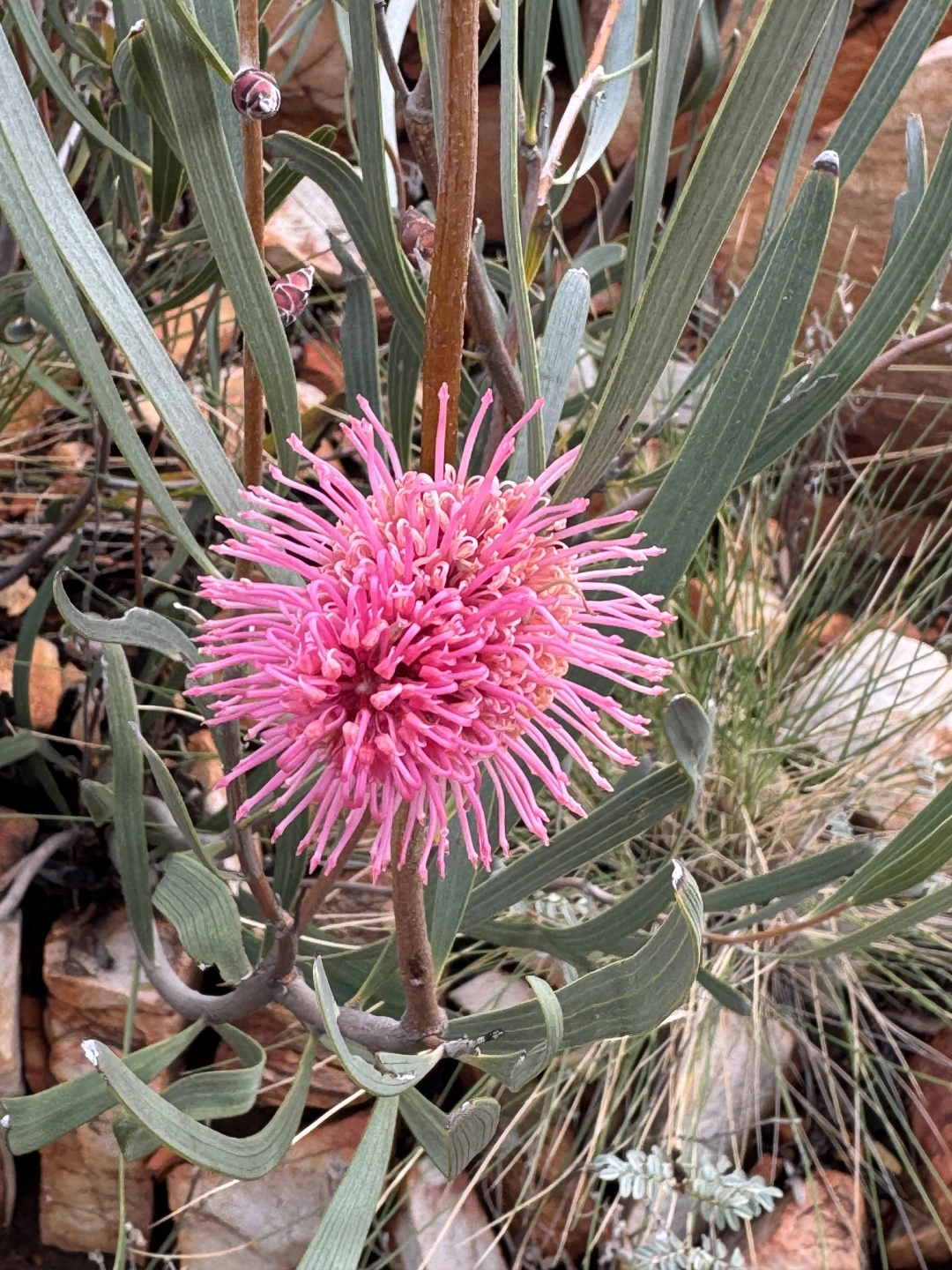
From the smallest rock daisy bush defying nature between rocky crags to the hardy mountain hakea scattered across the ranges, every plant tells a story about survival, adaptation and life in Central Australia.
This guide explores the remarkable evolutionary traits these plants have developed to thrive in an environment defined by extreme temperatures, limited water and rugged terrain.
More than simply identifying plants, this guide encourages you to slow down, look closer and understand the landscape in a new way. By learning about the plants along the trail, we can begin to appreciate the connections between the environment, its climate and the life it sustains.
Snippets from the Larapinta Trail Plant Guide
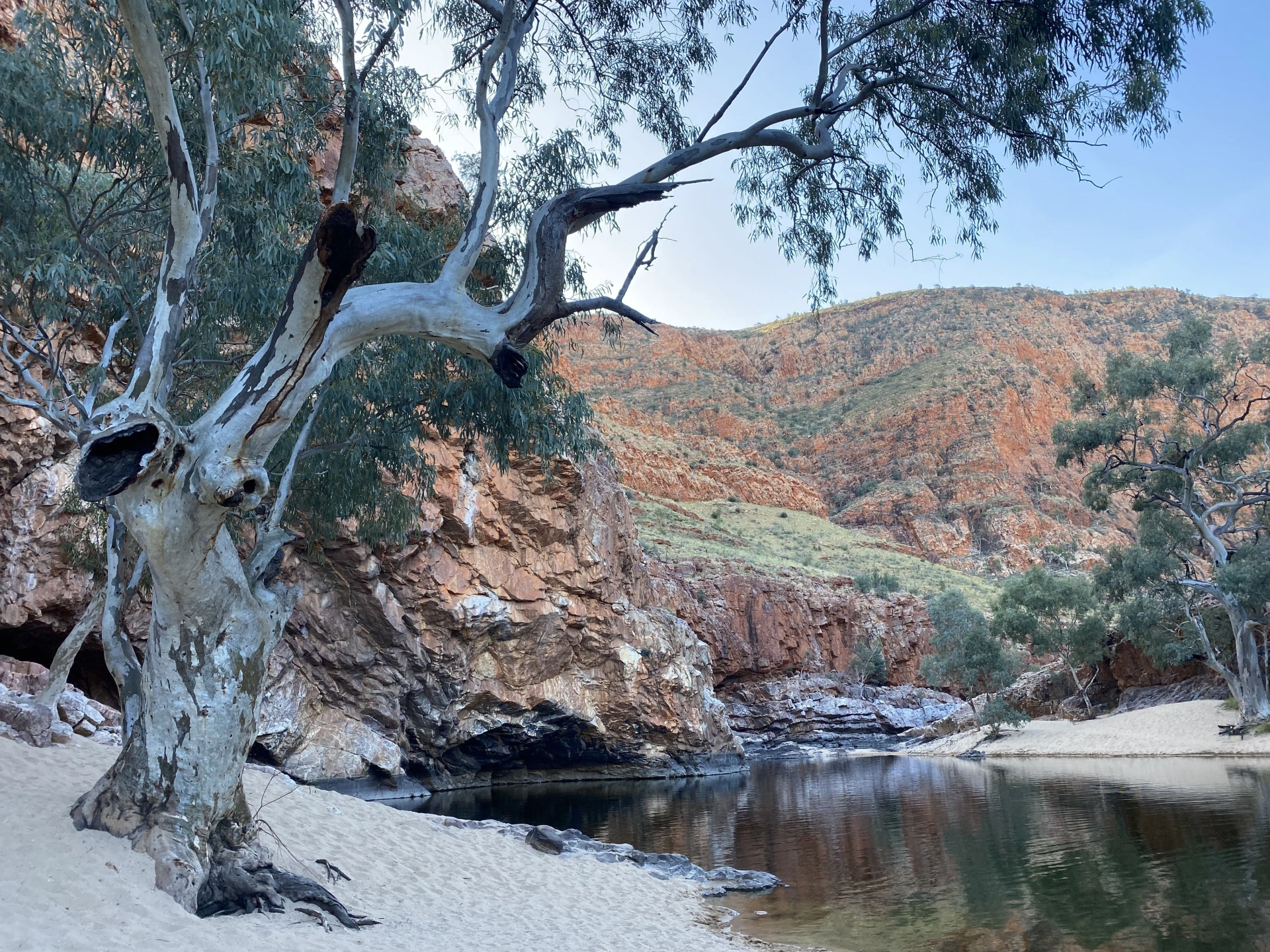
River Red Gum
Pages 70-71
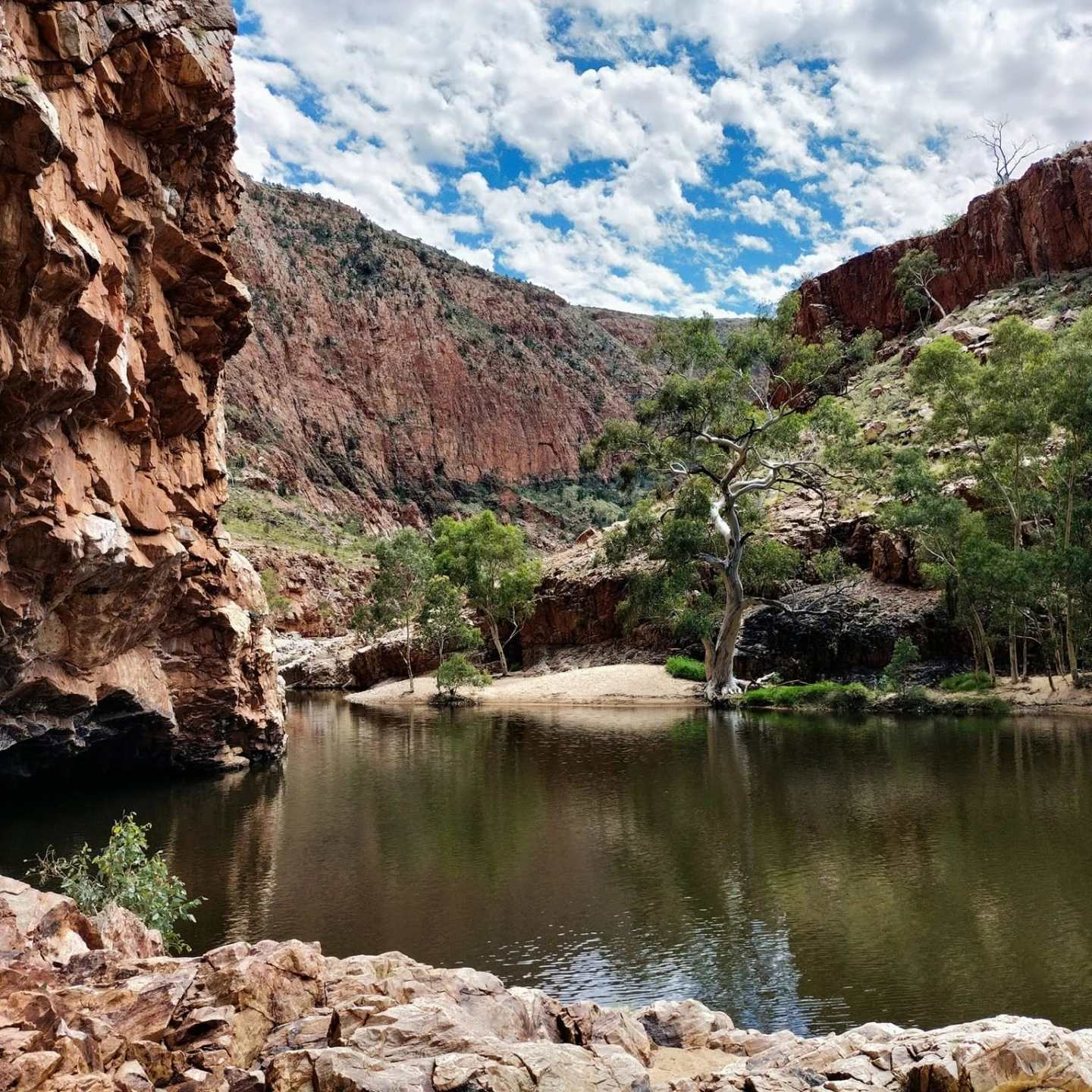
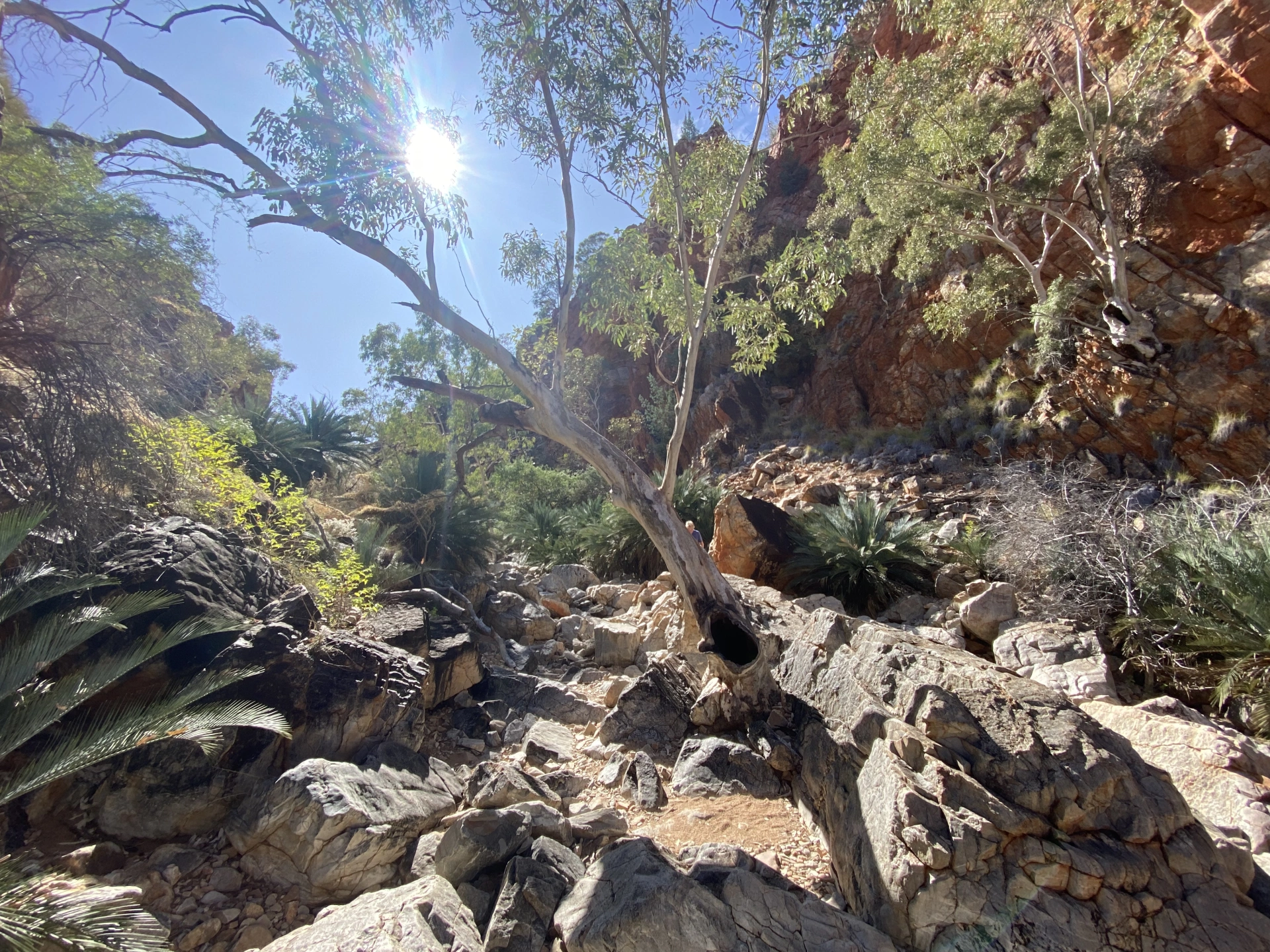
Eucalyptus camaldulensis has the widest natural distribution of any eucalyptus species in Australia. The ecological significance of this tree cannot be underestimated, as old specimens of this tree provide valuable habitats for a range of fauna in all its locations, not just above the ground but also in the water.
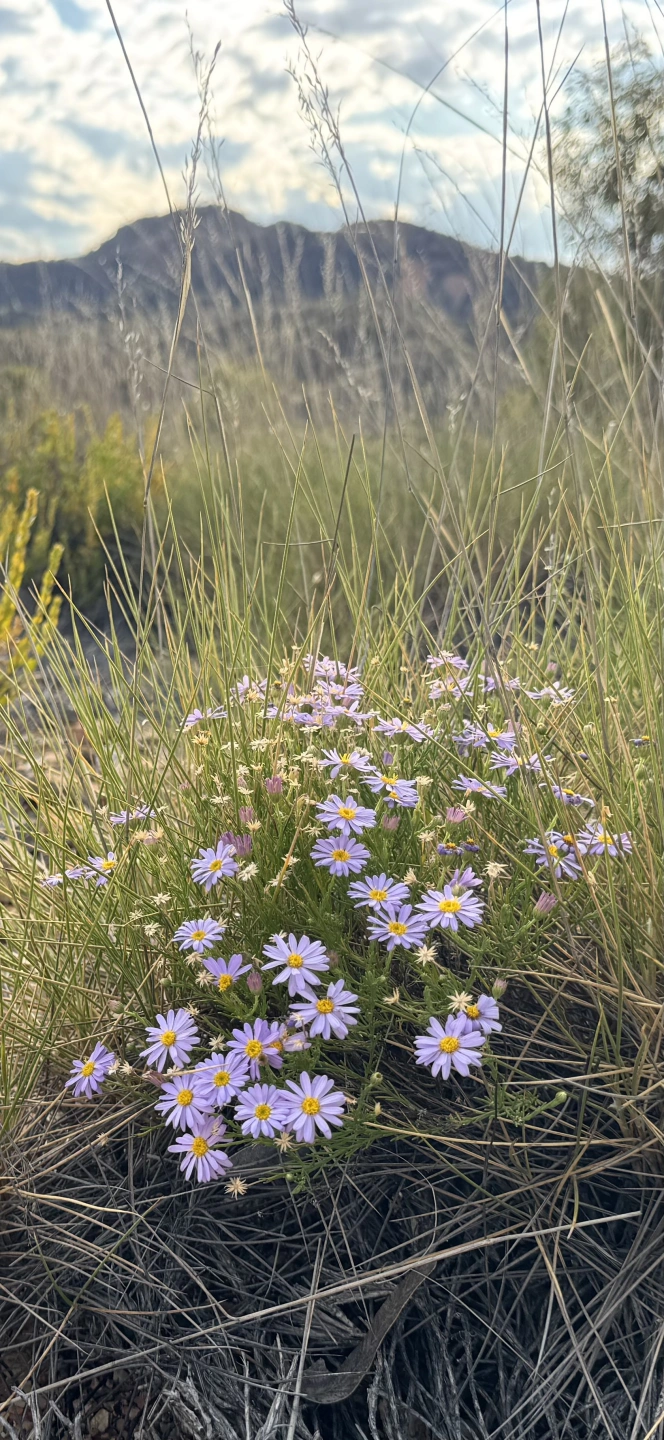
Rock Daisy Bush
Pages 76-77
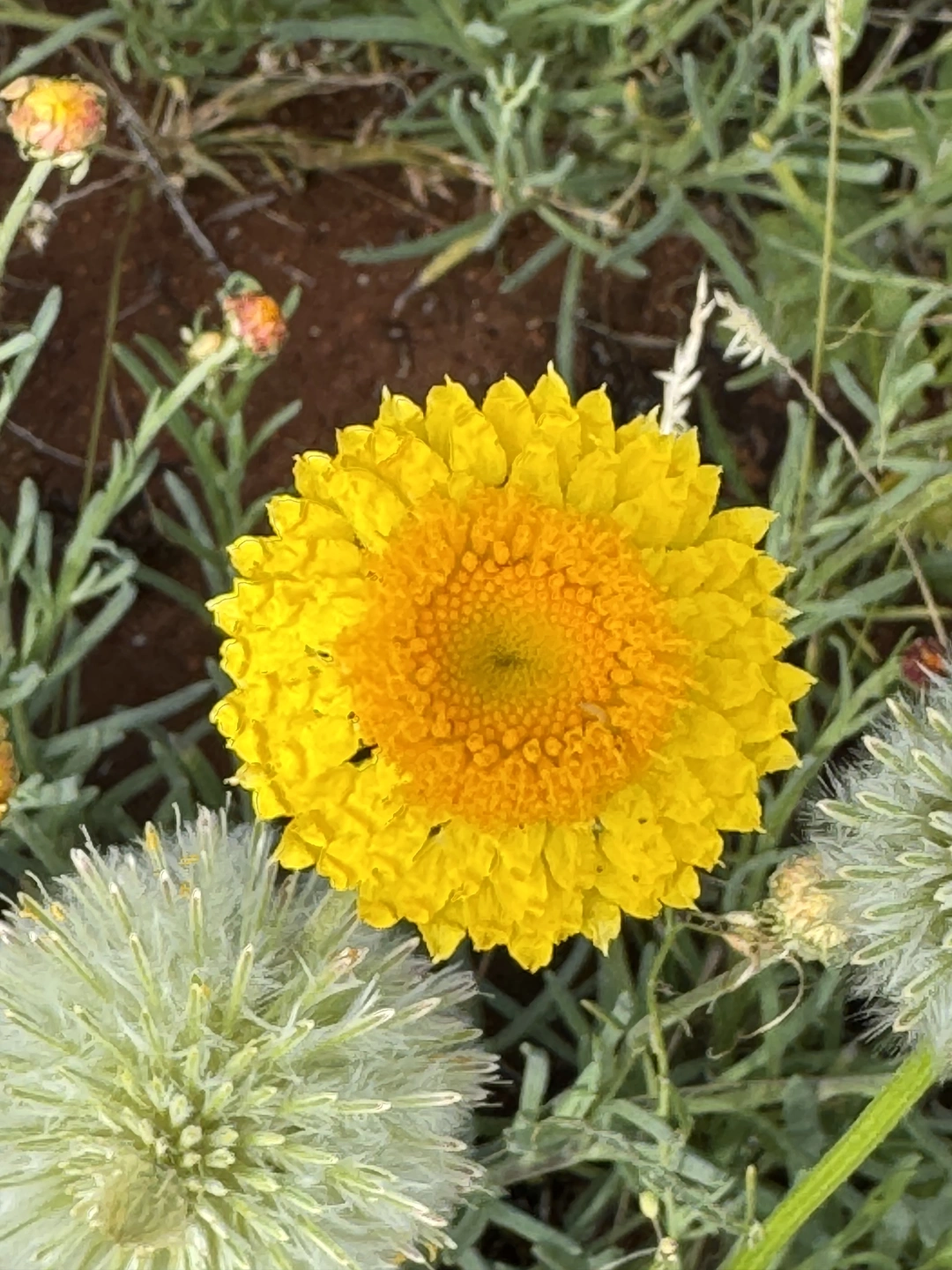
An interesting survival adaptation of all the daisy-shaped flowers is that they're seen by pollinators such as insects in ultraviolet light. To them, this psychedelic scene makes the usually light-coloured ray florets or bracts (modified leaves that act as the outer petals) and the yellow disc florets (the true flowers in the centre) look like a bullseye target luring them, providing an easy landing on a flat platform, and increasing the pollination rate as well as genetic diversity and, ultimately, increasing production and dispersal of the next generation of seed.
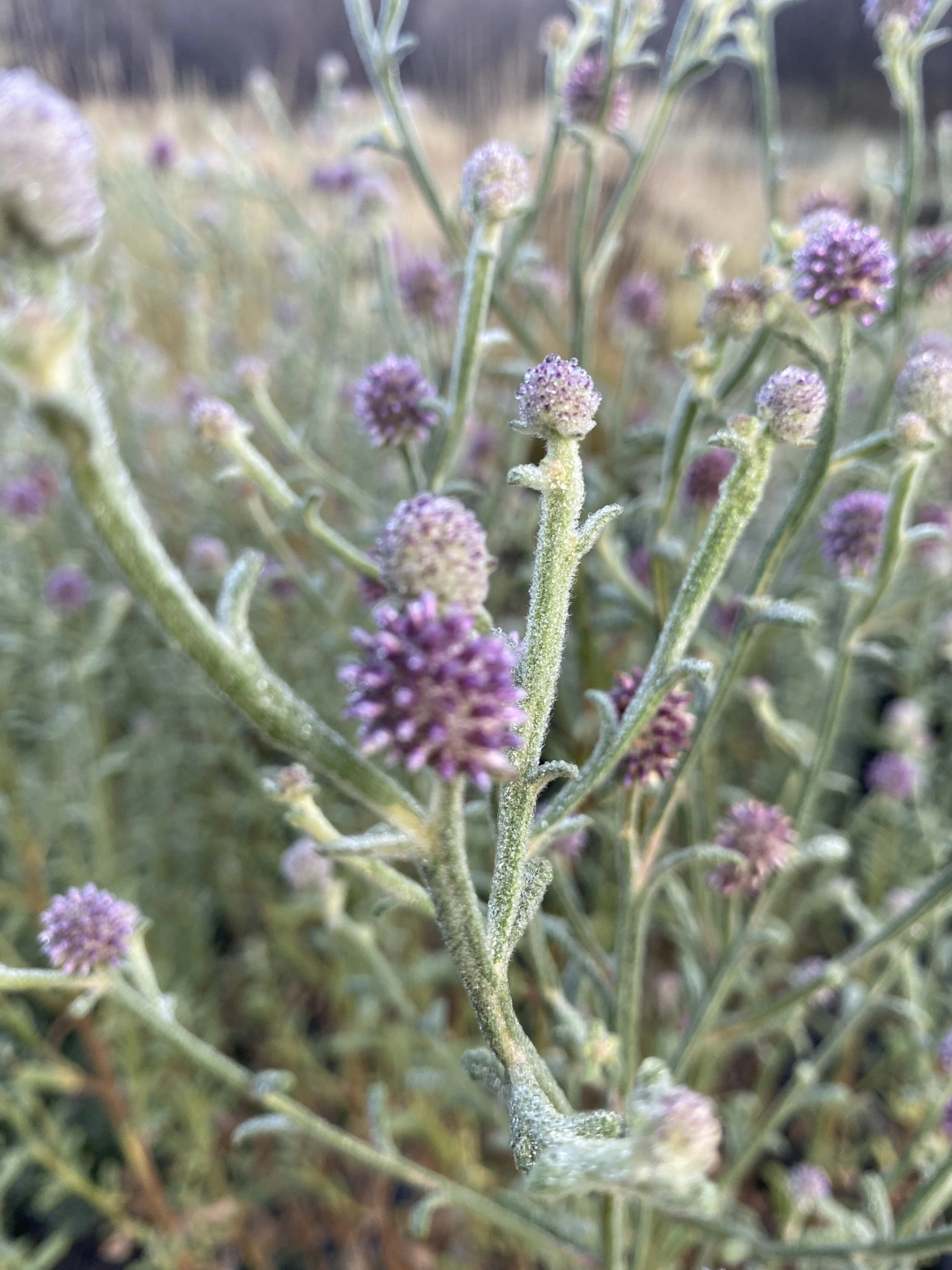
Apple Bush, Fruit Salad Plant
Pages 78-79
A very close relative to the pintye-pintye or ragweed (Pterocaulon serrulatum), the fruit salad plant has medicinal qualities and was used by First Nations people to mix with animal fat to make a remedial rub for cold and flu symptoms. This fact was likely observed by early European settlers, who used a decoction as a bushman's remedy; they would also add a few leaves to their tea to add flavour. As the name suggests, when crushed or brushed against, it has an intense smell of green apples or, with an imagination, even a fresh mixture of fruit salad.
How to Purchase
Click one of the below buttons to be directed to a supplier for your copy of the Larapinta Trail Plant Guide.




About the Author

My name is Aaron Edwards. I thoroughly enjoy hiking and being in the great outdoors.
A passion developed from a young age, growing up exploring the bush while trout fishing and hunting in the Southern Tablelands. Professionally, through my career as a landscaper, I have developed a keen interest in horticulture along with a fascination for the wide variety of botanical aspects of plants, particularly the evolutionary features that have developed over millions of years to enable them to survive in their ever-changing environments.
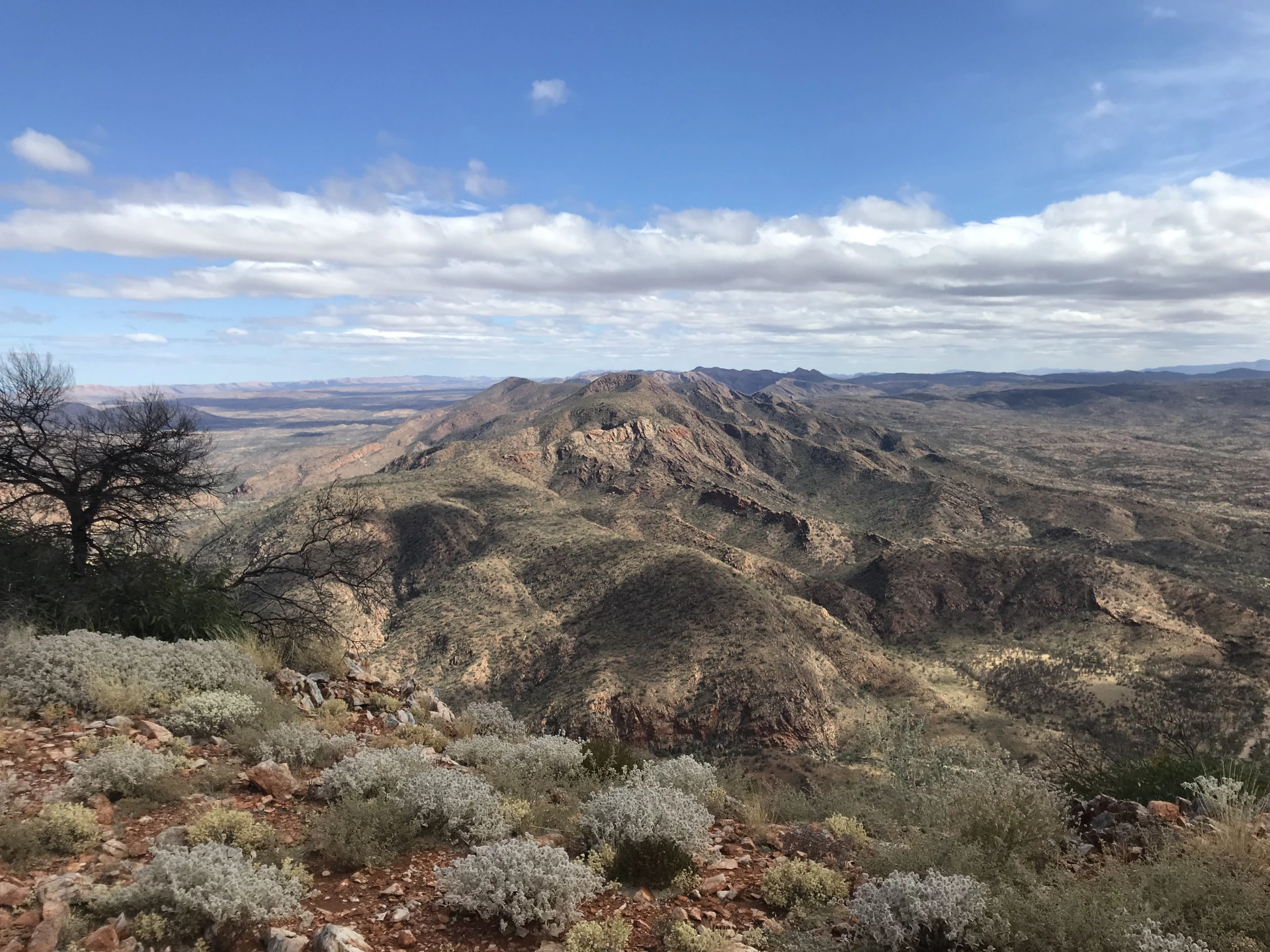
Over several years of hiking the Larapinta Trail, I have been surprised by the tenacity of the plants there and the individual beauty of what I found. My main purpose for creating this reference material was to provide information that people could use to enhance their experience while visiting this especially unique environment, the West MacDonnell Ranges, particularly on the Larapinta Trail. There are far too many plant species to include in one complete document, and there are many that I have missed, so I have only included the ones that caught my attention while hiking.

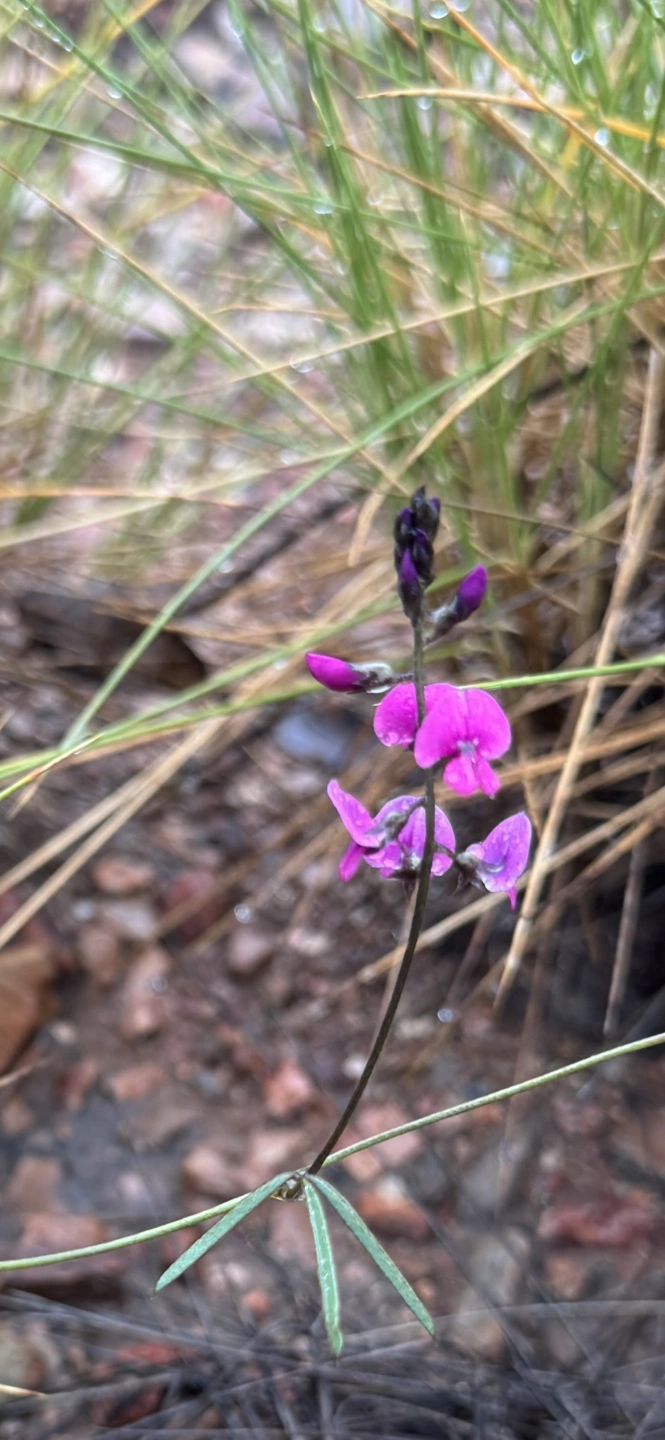
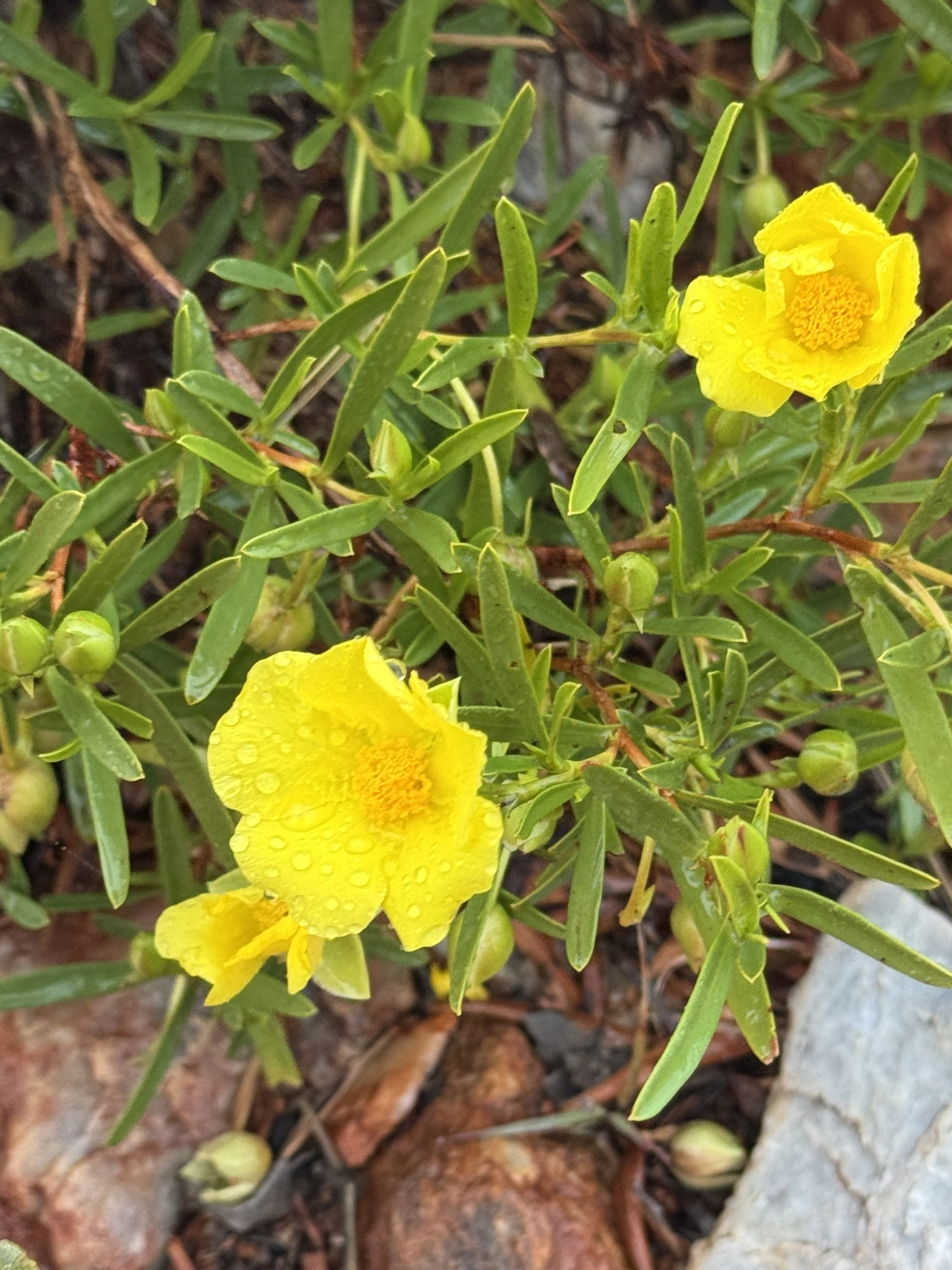
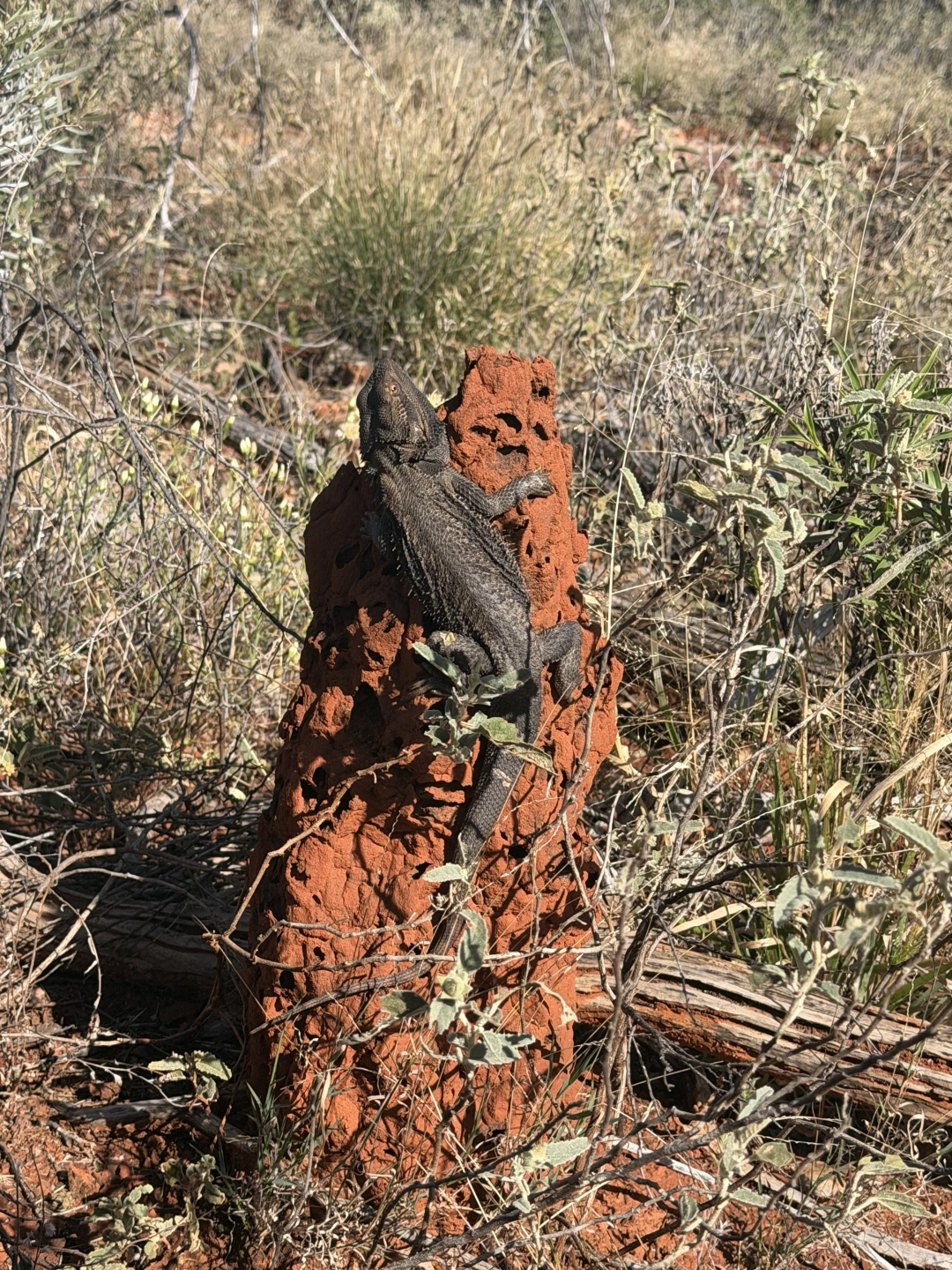
Follow us on instagram @larapintatrailplantguide
Contact Me
Please provide your details below along with your message and I'll reply as soon as possible.